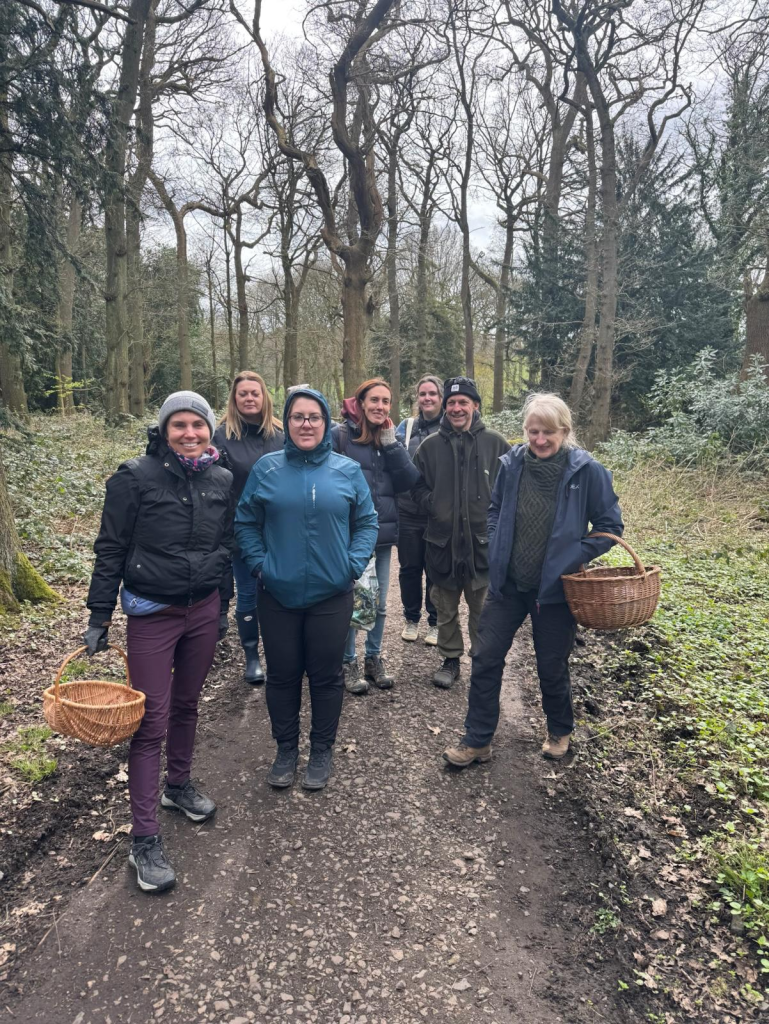
If you are beginning your foraging journey..
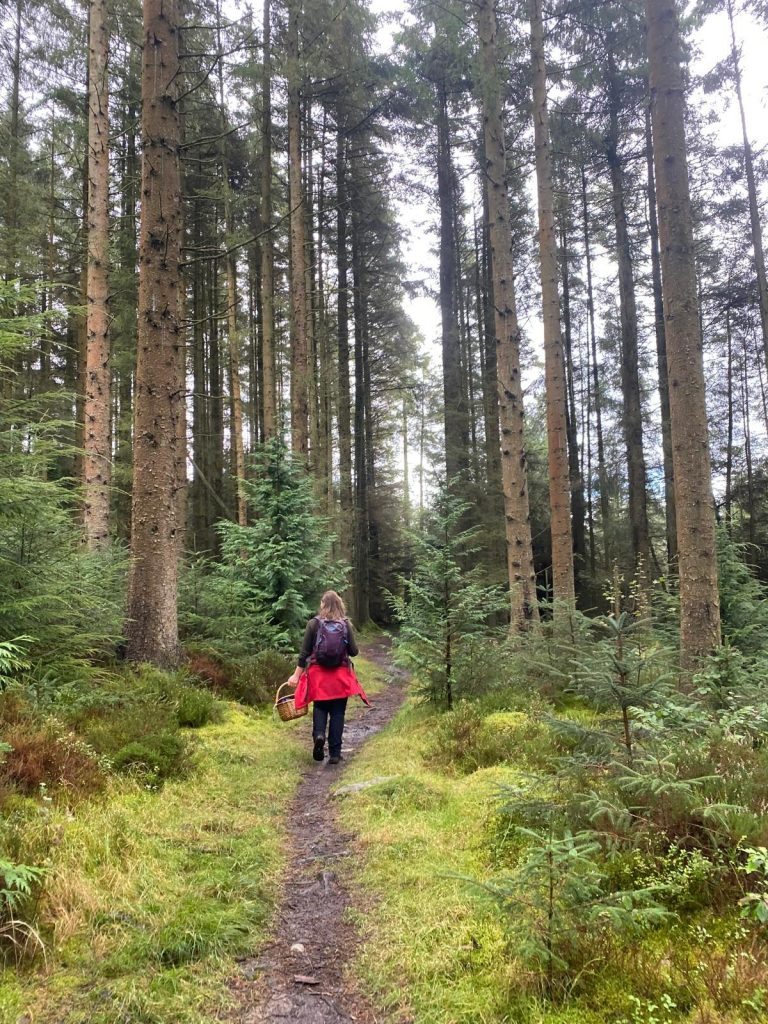
Before stepping out with a basket, just take a pause…
We are all custodians, caretakers of the natural world. We all used to be deeply connected to the earth; that memory still lives in the body. The more of us who reconnect to nature, the more we fall back into love and remember what an incredible ecosystem we are part of.
When you head out, take the time to slow down. Take smaller, softer steps and gently look around you. Walk more lightly and really take in your surroundings: the leaves, the trees, the fungi, the smell of fresh air, the sound of birds or leaves rustling.
This slowing down helps you learn not only about the plants themselves but also about the places they choose to grow. Treat yourself as a guest rather than a harvester, and be mindful of where you are and what you are thinking of picking.
Only take what you truly need and can use. One thing I learnt the hard way is that the actual foraging might take about 25% of the time; the other 75% is preparation – washing, cooking, drying, freezing and putting things by. So think about the whole process and the time it takes. Yes, there have been nights when I was up until 3am desperately processing greens so they did not end up in the compost pile instead of on the table!
One teaching by Robin Wall Kimmerer from “Braiding Sweetgrass” that has shaped my own foraging is the idea that we should never rush to take the first plant we see. It may be the last of its kind in that place, and it also stands as a representative of its whole community. By walking on, looking for others, and only gathering where a species is truly abundant, we show that we care about the plant’s future as much as our own supper. Consider that what you are foraging is food for other foragers like us or animals, or part of that ecosystem for insects and fungi.
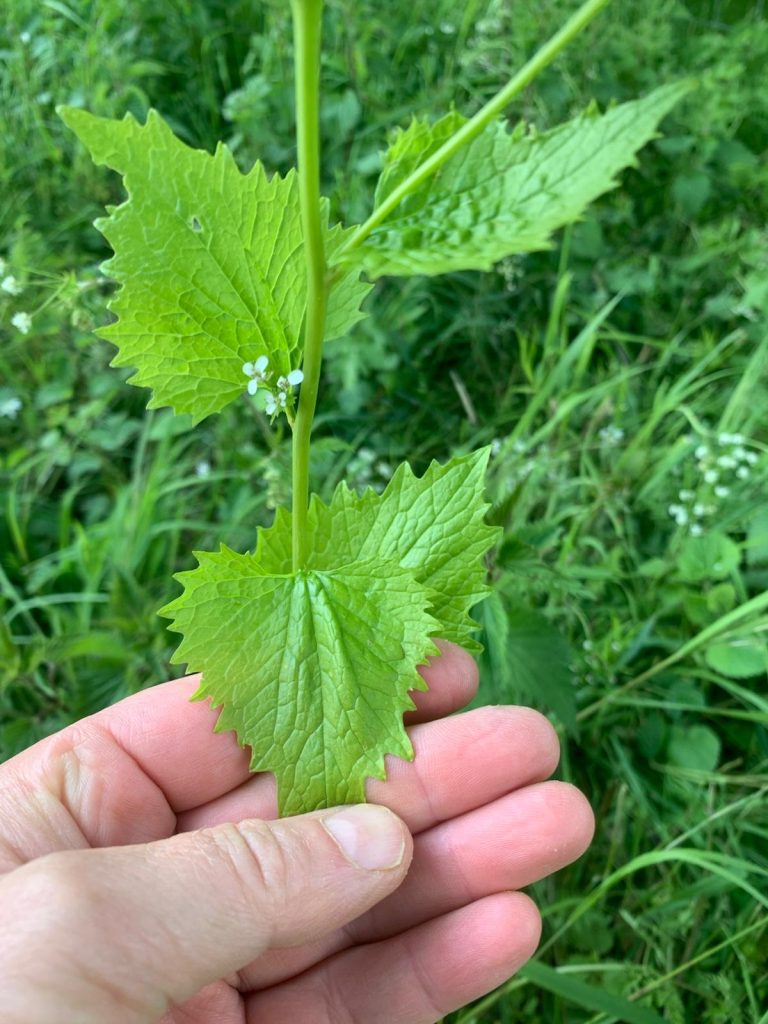
(Garlic Mustard, Jack of the Hedge – Alliaria Petiolata)
Take your time to get to know a plant, tree, shrub or fungus. What are its identifying features? How does it look when young, in flower, in fruit, in seed? This is a journey that unfolds slowly. Each season the plants grow and change, and you will see new details each time. It is wise to get to know a plant through the whole year, in all its stages and forms.
Taking time is good for your learning and good for your body. You begin to understand not only what is edible, but also how your own body responds to certain plants. Only consume what you are 100% confident in, and when you meet a new food for the first time, start with a small amount and see how your body reacts. We are all different, each with a unique microbiome and history. This is not to frighten you away from one of the best paths in life, but to help you ease gently into this incredible world of foraging, safely and with respect.
For example, I once had an allergic reaction to chicken of the woods. Through careful preparation and cooking, I learnt that my body reacts to it, even though many foragers happily eat and love this mushroom. It was a reminder that what suits one person may not suit another, and that listening to your own body is part of the practice.
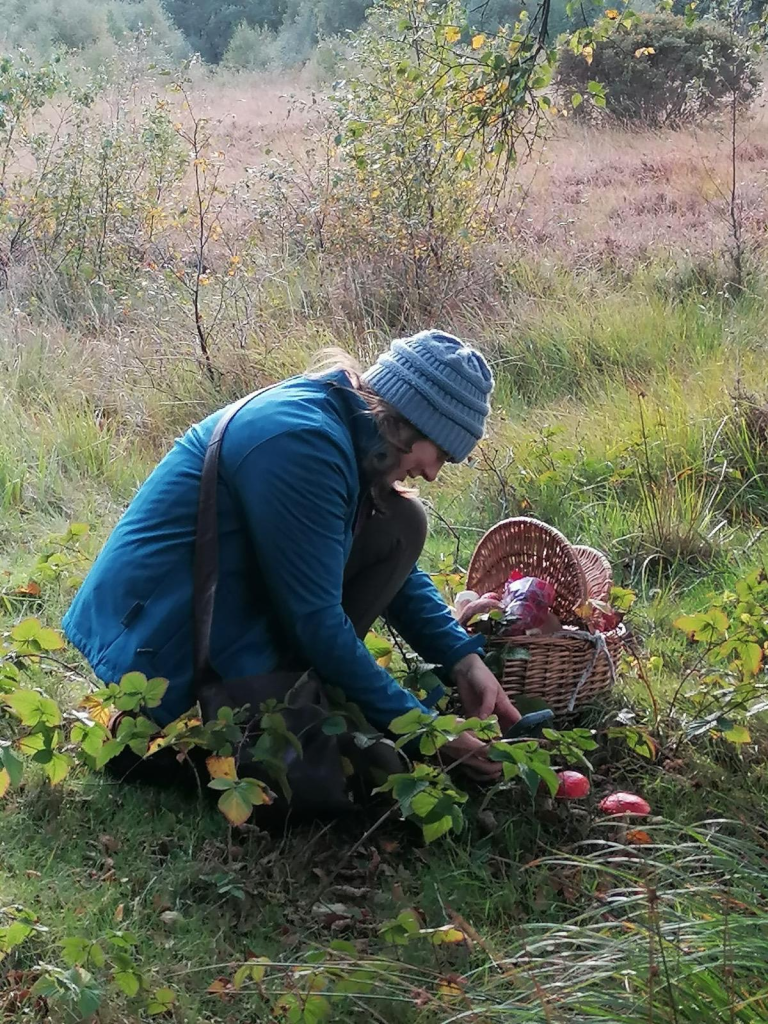
Clothing and footwear
Aim for comfort over style! Long-sleeved tops and trousers when navigating the likes of brambles and nettles are a good idea and work well. It’s advisable to tuck trousers into boots or socks in areas of insects and ticks.
Pick wellies or walking boots with some grip or similar as they are ideal for British mud and wet grass.
Layers seem to be key and a waterproof for our gorgeous UK weather! Maybe a pair of gloves if it’s cold or if you are picking something with thorns or prickles.
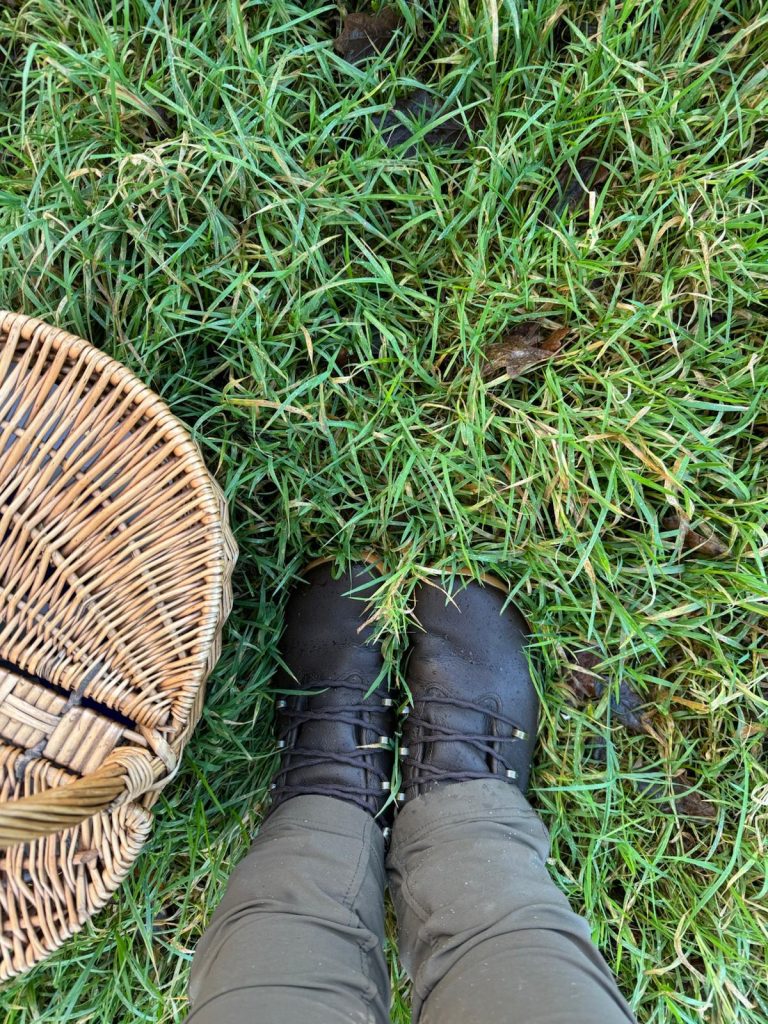
Baskets, Bags and Containers
Using a wicker basket or a soft cloth bag allows plants and mushrooms to breathe is a good way to go. Unlike plastic, which can make things feel a bit sweaty.
A few little lidded containers can be handy for some prize fruit, berries or mushrooms you may want to keep from getting squished. Paper bags can be useful for funghi and for seeds and you can write on them too!
Knives, scissors and safety
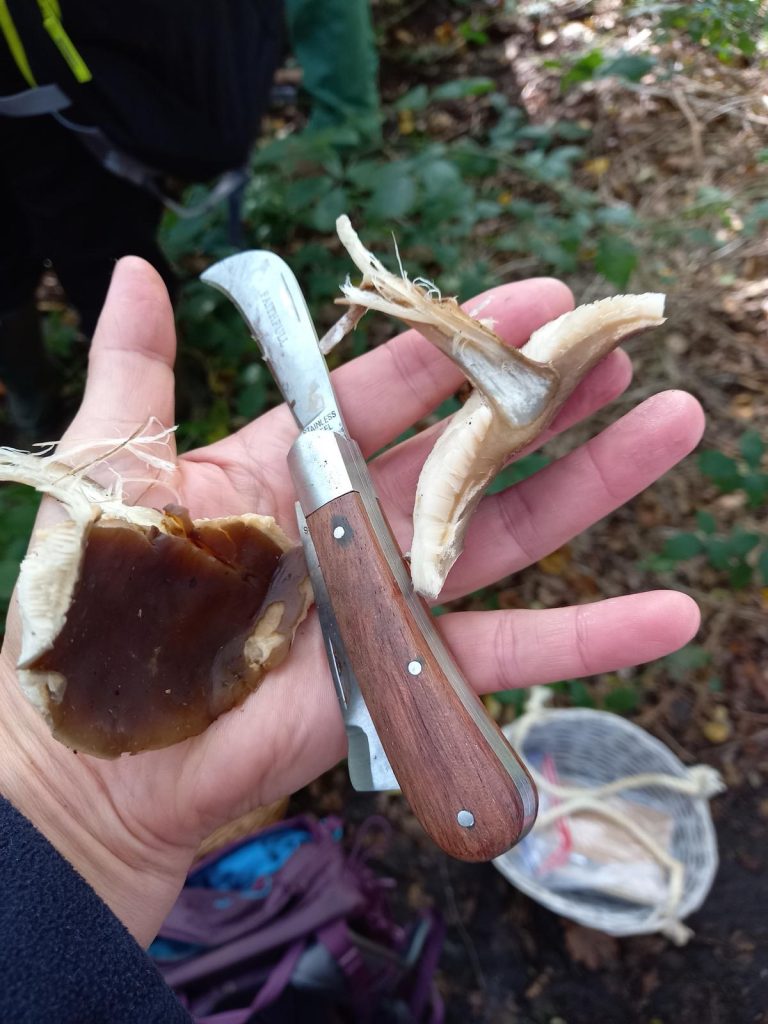
Many foragers I know carry a small mushroom knife or scissors. This makes life easier for us and is gentler to the plants. In UK law, a non‑locking folding knife with a blade 3 inches (about 7.6 cm) or less is generally the safest legal option to carry; anything larger, locking or fixed needs a clear “good reason” and extra care in public places. At the end of the day, some secateurs or scissors will do the job.
Little added extras
You may want to keep notes, so a notepad or use your notes on your phone, so you can record what you find and where. A small first aid kit (with insect repellent if needed), a bottle of water and snack.
Depending on where you are foraging, it might be worth investing in a tick remover and calmly check yourselves over when you get home.
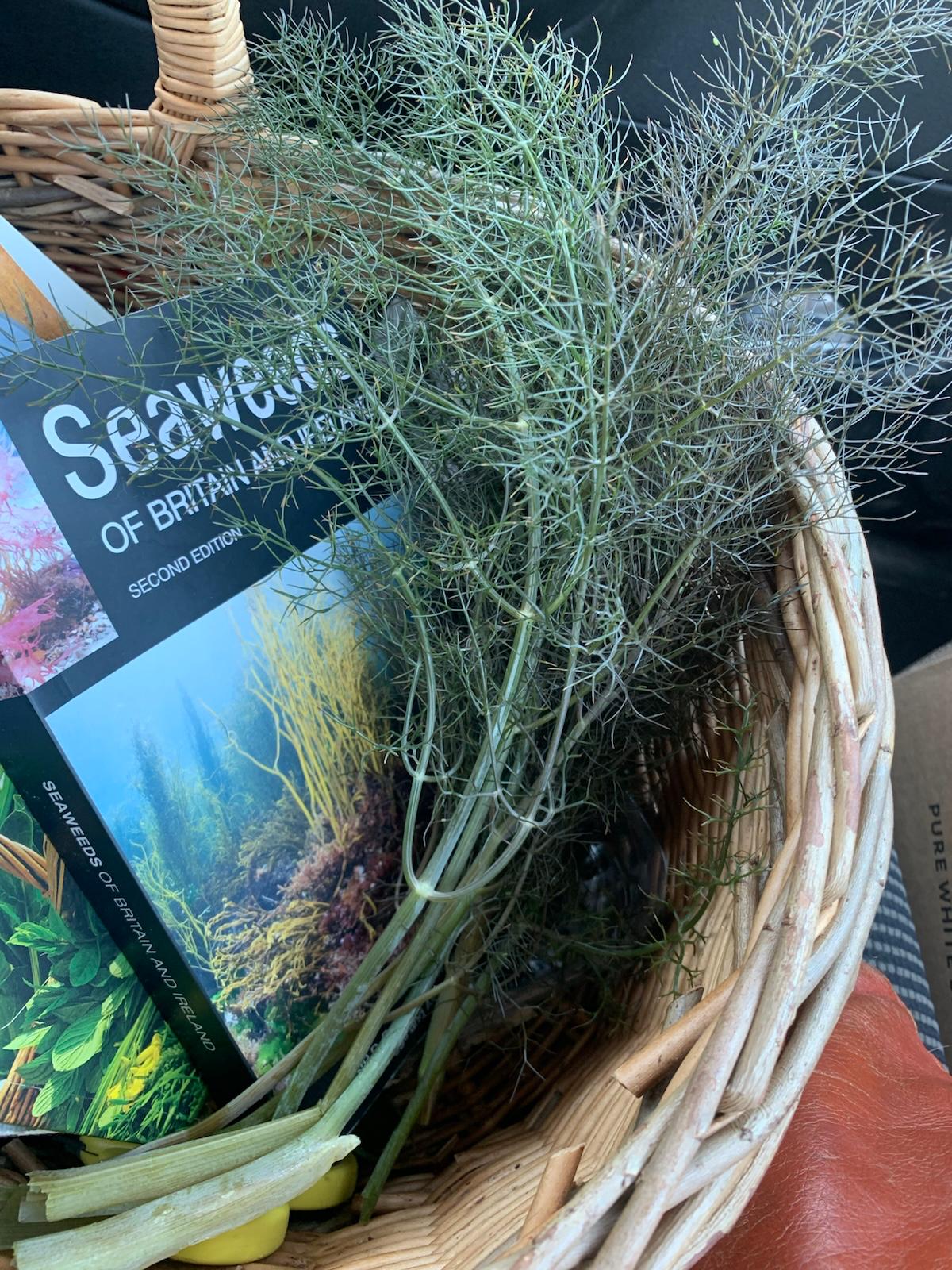
Books! (One of my favourite things!)
When you are starting out, having a few good, trusted books beside you is one of the best things you can do for yourself. Apps can be fun for curiosity, but they are known to get identifications badly wrong, and with wild food that is a risk not worth taking. Please do not rely on an app as your main way of deciding what to eat.
Instead, choose one or two field guides you really like the feel of and get to know them well. The Forager’s Calendar by John Wright is a wonderful companion through the year, helping you see what is in season and when. Hedgerow, also by John Wright, is especially useful if you are wandering lanes and field edges, learning the plants of the boundaries and paths.
I absolutely adore Liz Knight’s Forage for its beautifully illustrated pages and the gentle way it leads you from plant identification into tried and tested many times recipes. After you have met a plant, she shows you how to welcome it into your kitchen in simple, delicious ways. For mushrooms, the guide by Marlow Renton and Eric Biggane is a great place to begin, with clear photographs and accessible notes that help you build confidence step by step.
There are many excellent books out there, and it is good to have a couple to refer to rather than relying on a single source. Ask any other foragers you meet and they will happily tell you their favourites. Over time you will build your own small library, shaped by your landscape, your tastes and your way of learning and those books will quietly become part of your safety kit, as important as your basket and boots.
Laws for Foraging in the UK are talked about on https://wildpickle.co.uk/is-foraging-actually-legal/
Book onto a foraging walk!
One of the best things you can do for yourself as a beginner is to spend time on the land with people who already know it well. Booking onto walks with professional foragers lets you learn how to see, smell and handle plants safely, and gives you space to ask all the questions you could want to ask. This is how I started out.
In the UK there are professional foragers listed with national organisations, including the Association of Foragers, and you will find members offering walks in many regions. Choosing walks in the landscapes you are most drawn to like the woods, hedgerows, coast, moorland and then in different seasons, helps you meet plants and fungi as they change through the year.
Each forager has their own way of teaching and their own specialisms: some focus more on plants, some on fungi, some on the deeper stories and folklore of a place. Listening to different voices is a gift; you pick up many small tips, ways of looking and ways of caring for the land. It is a gentle, grounded way to start your foraging journey, held by people who have walked the path for a long time.
If you fancy booking for a walk with me, I run public walks listed in events and I run private and bespoke walks. Please contact emma@wildpickle.co.uk for more information. I am proud to be a member of the Association of Foragers since 2021.
Happy Foraging!!